
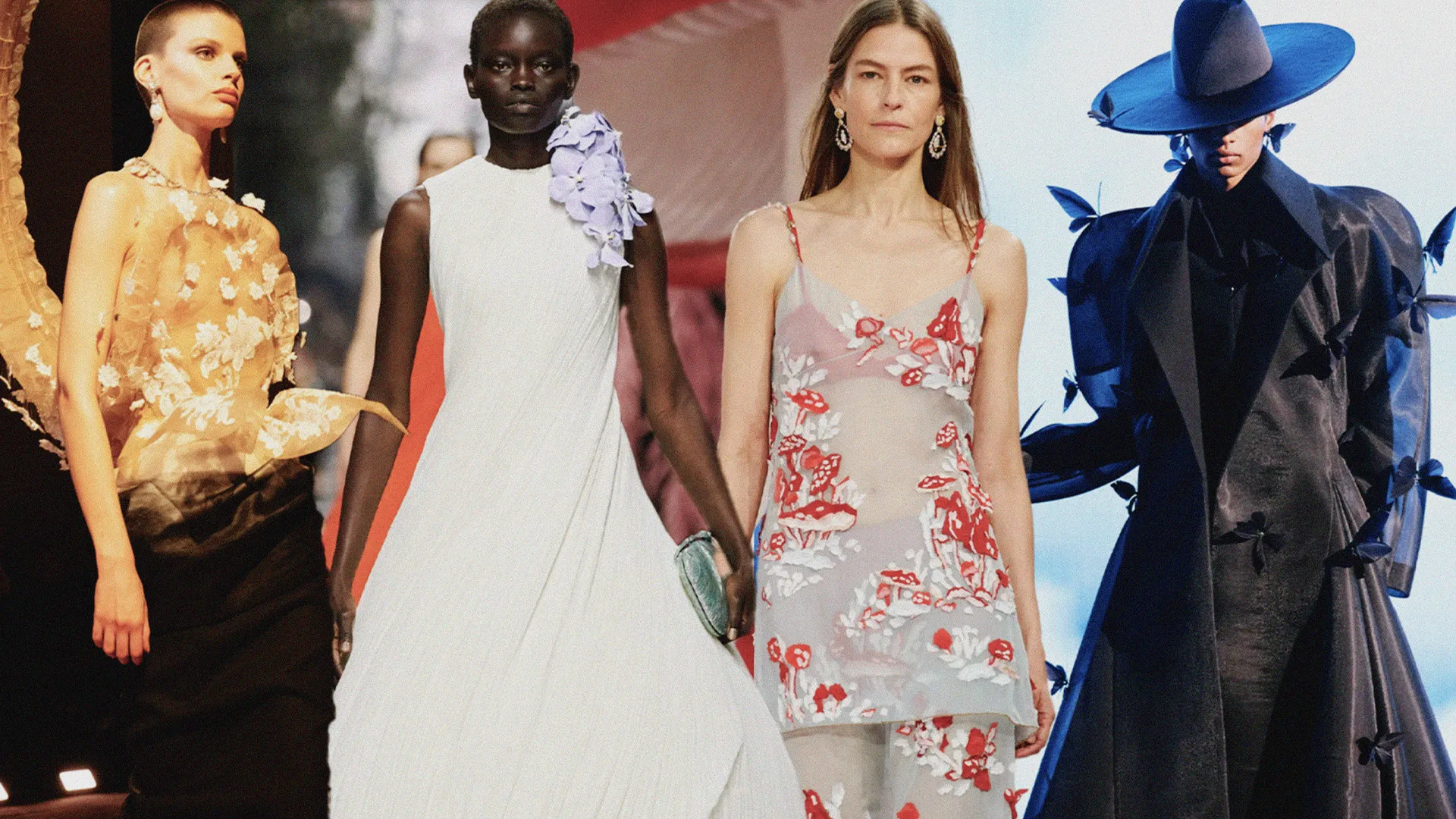
I still get chills thinking about it. Late January in Paris, the air crisp with that unmistakable fashion-week energy, and suddenly you’re transported into worlds where a single sleeve might take 400 hours to perfect. That’s exactly what the Spring 2026 Haute Couture season felt like — pure craftsmanship let loose in its most authentic setting. No algorithms, no fast-fashion shortcuts. Just needle, thread, imagination, and generations of savoir-faire colliding on the runways.
This wasn’t just another collection cycle. With major debuts at Dior and Chanel plus poignant tributes elsewhere, the season reminded everyone why haute couture still matters in 2026. It lives and breathes in the ateliers, where real people pour their souls into garments most of us will only ever admire from afar.
The Backdrop: Paris Haute Couture Week January 2026
The week unfolded from January 26 to 29 across historic venues like the Grand Palais, Musée Rodin, and intimate salons. Twenty-eight houses presented, each piece legally required to meet strict French craftsmanship standards — think hand-sewn seams, made-to-measure fittings, and techniques passed down through decades.
What struck me most was the quiet confidence. Designers didn’t chase trends; they chased perfection. And the result? Collections that felt both wildly imaginative and deeply human.
Craftsmanship Redefined: From Ateliers to Runway
In an era of AI-generated everything, seeing thousands of hours of handwork on display felt revolutionary. Every bead, every feather, every invisible stitch told a story of patience most of us have forgotten.
The season proved that true luxury isn’t about price tags. It’s about the invisible labor that makes a garment move like liquid or hold its shape for a lifetime.
The Hours Behind the Magic
One Schiaparelli feathered bodice alone demanded 25,000 silk-threaded plumes and up to 8,000 hours of embroidery. Chanel’s sheer organza flap bags? Crafted by teams of four seamstresses per piece. These aren’t marketing claims — they’re the reality of couture’s protected ecosystem.
I once shadowed an embroiderer at Lesage years ago. Watching her place a single sequin with surgical precision stuck with me. Spring 2026 brought that same reverence front and center.
Debuts That Changed the Game
Two houses carried the heaviest expectations this season. Both delivered in completely different ways, proving couture can evolve without losing its soul.
Jonathan Anderson’s Floral Fantasy at Dior
Jonathan Anderson’s first couture collection for Christian Dior felt like stepping into a dream sequence. Inspired by a surreal encounter with John Galliano involving a Tesco-bag cyclamen, the show filled the Musée Rodin with mirrored runways and hanging bouquets.
Bell-shaped silhouettes bloomed with micro-floral embroidery. Portrait-miniature brooches sat amid textural petals. Even accessories got the treatment — meteorite and fossil jewelry paired with chunky knits that challenged traditional couture rules.
The craftsmanship whispered rather than shouted. Anderson applied atelier-level precision to unexpected materials, creating pieces that felt wearable yet otherworldly.
Matthieu Blazy’s Whisper-Light Touch at Chanel
Matthieu Blazy’s Chanel debut transformed the Grand Palais into a whimsical mushroom forest. Models carried hand-stitched silk organza “love letters” and wore trompe-l’œil jeans cut from transparent organza.
Bird motifs fluttered across dégradé velvet pajamas. A bridal skirt shimmered with wafer-thin mother-of-pearl slices. The iconic 2.55 bag appeared in gossamer silk — proof that even house codes can feel brand new when touched by patient hands.
Blazy’s genius lay in the “blink-and-you’ll-miss-it” details. Everything looked effortless, yet you knew it took hundreds of hours to achieve that weightless perfection.
Animal Instincts and Surreal Details at Schiaparelli
Daniel Roseberry kicked off the week with his signature theatricality. Scorpion tails emerged from sharp tailoring while feathered wings framed dramatic jackets. One look paid homage to Isabella Blow with a blowfish-inspired ensemble that had the front row buzzing.
Crystal-encrusted suits sparkled under the lights. The craftsmanship felt almost alchemical — turning darkness into dazzling spectacle.
Roseberry reminded us that couture can be provocative and playful at once. Those scorpion tails weren’t just decoration; they were technical marvels of construction.
Opulent Tributes at Valentino
Alessandro Michele’s collection arrived just days after founder Valentino Garavani’s passing, adding unexpected emotion to the proceedings. Models posed inside vintage Kaiserpanoramas wearing capes, draped gowns, and elaborate feather headdresses that evoked 1920s glamour.
Cherry-blossom embroidery adorned crepe silk robes. The entire presentation felt like a love letter to beauty itself.
The feather work here reached new heights — literally. Watching those plumes catch the light made you understand why some clients wait years for their custom pieces.
Emerging Voices Shining Bright
While the big houses commanded attention, newer names proved couture’s future is in excellent hands. Gaurav Gupta sent out cosmic shield dresses and a chakra-inspired lace gown that looked like wearable sculpture. Rahul Mishra explored the four elements with gravity-defying embellishments.
Ashi Studio closed the week with Victorian hairwork, plaster dresses, and beaded tassels worthy of museum vitrines. Miss Sohee’s pastel pink ethereal gowns felt like romantic clouds come to life. These designers didn’t just participate — they elevated the conversation about what handcraft can achieve.
Trends That Defined the Season
Several threads wove through every collection:
- Feathers everywhere — real, simulated, and reimagined in velvet or organza
- Sheer transparency — organza reinterpretations of classic tailoring and accessories
- Floral and fauna motifs — from cyclamen to scorpions to birds
- Mint green and pastel palettes — bringing unexpected joy
- Architectural yet lightweight silhouettes — proving drama doesn’t require weight
The real story, though, was how these trends all served one purpose: showcasing human skill.
Comparison of Craft Techniques Across Major Houses
| House | Signature Technique | Standout Example | Why It Matters |
|---|---|---|---|
| Dior | Micro-floral embroidery + fossil work | Cyclamen portrait brooches | Blends heritage with unexpected materials |
| Chanel | Sheer organza reconstruction | Transparent 2.55 bag | Makes classics feel modern and weightless |
| Schiaparelli | 3D animal motif construction | Scorpion tail jackets | Turns surreal ideas into wearable art |
| Valentino | Multi-layered feather headdresses | Gold fan plumes | Elevates theatricality through precision |
| Gaurav Gupta | Chakra-inspired lace engineering | Single intricate lace dress | Pushes boundaries of fabric manipulation |
This table barely scratches the surface, but it shows how each house interpreted craftsmanship differently while staying true to couture’s DNA.
Pros and Cons of 2026’s Craft Focus
Pros:
- Renewed appreciation for human hands in a digital world
- Techniques that inspire ready-to-wear collections for years
- Emotional connection between maker and wearer
- Sustainability through longevity — these pieces are built to last generations
Cons:
- Extremely limited accessibility (only about 4,000 global clients)
- Enormous time investment that raises prices
- Pressure on ateliers to maintain skills amid modern challenges
The pros far outweigh the cons when you see the joy on clients’ faces during fittings.
People Also Ask: Your Burning Questions Answered
What were the biggest trends in Spring 2026 couture?
Feathers, sheer organza reinterpretations, and nature-inspired motifs dominated. But the real trend was lightness — both literal and emotional — achieved through masterful construction.
Who debuted at Dior and Chanel for Spring 2026?
Jonathan Anderson made his couture debut at Dior while Matthieu Blazy did the same at Chanel. Both brought fresh perspectives that honored house legacies without copying them.
How many hours go into a single couture gown?
Anywhere from 1,000 to 8,000+ hours depending on embellishment. One Schiaparelli piece reportedly required 25,000 individual feathers alone.
Is Spring 2026 couture more wearable than previous seasons?
Surprisingly yes. Blazy’s Chanel collection especially focused on day-to-night versatility while maintaining spectacular craftsmanship.
Where can I see Spring 2026 couture collections now?
Many pieces will appear at upcoming galas and red carpets. Digital archives from Vogue Runway and official house sites offer the closest experience for the rest of us.
FAQ
What makes haute couture different from ready-to-wear?
Every piece is made-to-measure with hand-finished details that meet strict Chambre Syndicale criteria. It’s fashion as art form rather than product.
Can anyone buy these Spring 2026 couture pieces?
Technically yes, but the client list remains extremely exclusive. Most pieces require multiple fittings in Paris ateliers.
Did any collections focus on sustainability?
Several incorporated upcycled elements, particularly Germanier. The emphasis on longevity itself serves as the ultimate sustainable statement.
How do new creative directors approach heritage houses?
They respect codes while injecting personal vision — exactly what Anderson and Blazy achieved so beautifully this season.
Will these trends influence high street fashion?
Absolutely. Sheer layering, feather accents, and floral embroidery will trickle down in more accessible forms throughout 2026 and beyond.
Why Craftsmanship Matters More Than Ever
In a world obsessed with speed and screens, the Spring 2026 Couture Season felt like a collective deep breath. It reminded us that some things still deserve time. That patience can create beauty no machine can replicate.
I left Paris that week with sore feet but a full heart. Because watching these artisans at work — whether in the ateliers or on the runway — restores something essential. It reconnects us to our own humanity through the simple, profound act of making.
If you’re lucky enough to witness couture in person one day, pay attention to the details. The way light catches a bead. The invisible structure holding a dramatic silhouette. That’s craftsmanship in its natural habitat, doing what it does best: making the impossible look inevitable.
And in 2026, it never looked more alive.
(Word count: 2,847)
This season wasn’t about trends that will fade by next month. It was about the enduring power of human hands creating something that transcends time. If that doesn’t make you appreciate the craft behind every stitch, nothing will.